

Tree stories
Thirsty Roots
In recent weeks, the entire state of North Carolina has been under moderate to severe drought conditions. In these dry conditions, trees often start showing stress long before homeowners realize there’s a problem. Leaves may wilt, curl, or drop early, and spring growth can slow dramatically. For homeowners across WNC facing these conditions, a few thoughtful steps can make a meaningful difference in helping trees survive through prolonged drought conditions.
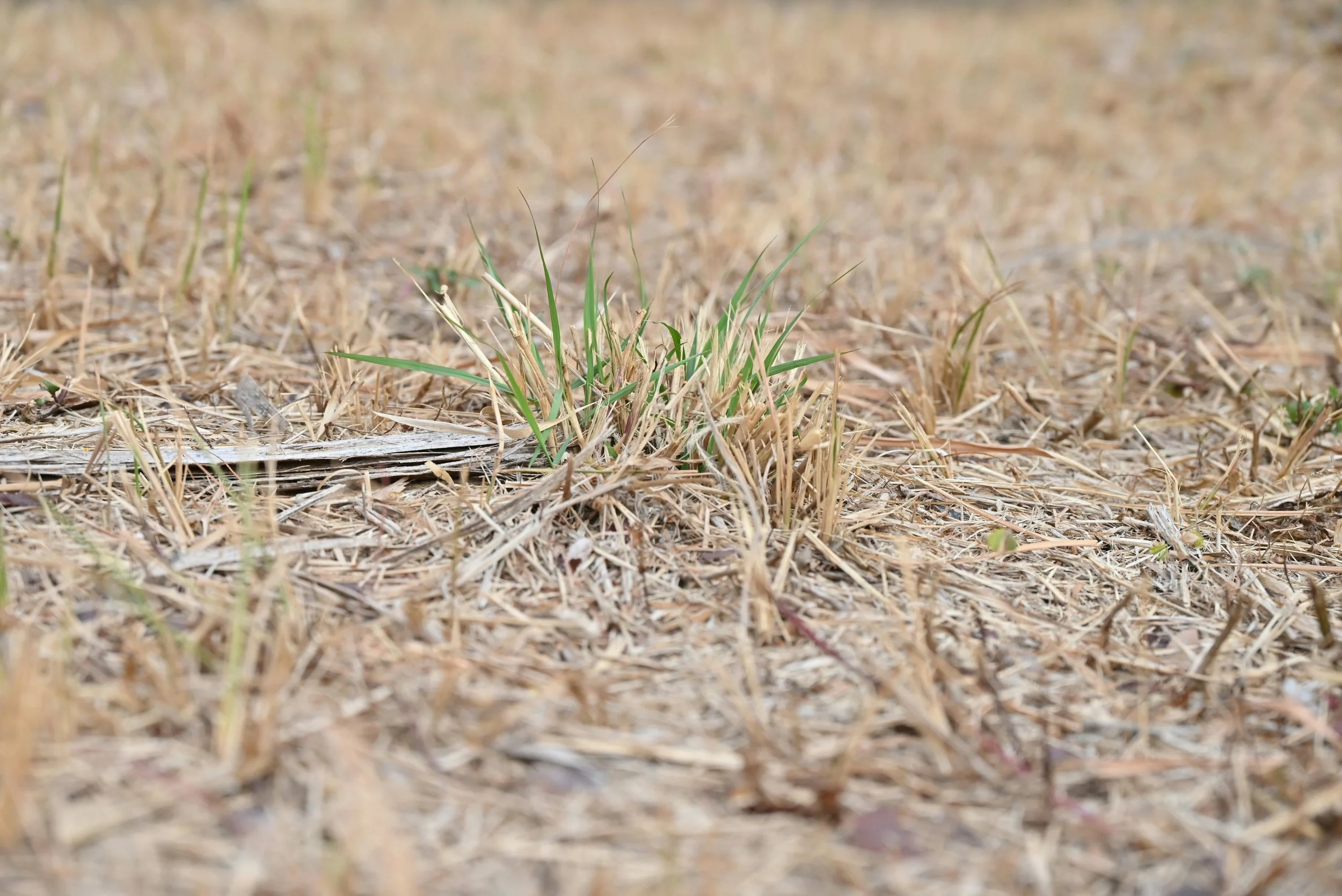
The first and likely most important strategy is proper watering. Deep, periodic watering is far more effective than a shallow, daily sprinkling. A slow soak at the base of the tree encourages roots to grow deeper into the soil, where moisture tends to linger. For established trees, watering once every 7–10 days during prolonged dry spells is typically sufficient, while younger trees may need more frequent attention. Aim to water early in the morning or late in the evening to maximize absorption and minimize evaporation.
Mulching is another simple but powerful tool to maintain the health of your landscaping. Adding a 2–4 inch layer of organic mulch, such as shredded bark or wood chips, around the base of a tree helps retain crucial soil moisture, regulate temperature and reduce competition from weeds. Be careful to keep mulch a few inches away from the trunk to prevent rot and pest issues.
Pruning practices should also be adjusted during periods of prolonged drought. Avoid heavy pruning, since this can further stress trees and shrubs and increase their water needs. Instead, limit pruning to removing dead or damaged limbs. This allows the tree to conserve energy and focus on survival. Our team of arborists can help guide homeowners with a tree health consultation.
Homeowners should also be mindful of soil health and how that can impact the overall health of their trees. Compacted soil prevents water from effectively reaching deep roots. Lightly aerating the soil around a tree, being careful not to damage roots, can improve water absorption. In some cases, applying compost can enhance soil structure and provide essential nutrients to trees and landscaping.
Finally, it’s important to recognize that not all trees respond to drought in the same way. Native species are generally more resilient because they are well-adapted to local conditions, while newly planted or non-native trees may require extra care. Keeping an eye on early warning signs, like leaf scorch or premature color change, can help you intervene before lasting damage occurs.
Even during challenging drought conditions, adding practical steps to your yard's maintenance can help ensure that trees remain a strong, healthy part of your home’s natural beauty. Please reach out to our team of arborists with questions about your property’s overall tree health.
After the Storm
Spring brings longer days, climbing temperatures and fresh fields of flowers — but the season can also bring powerful storms to the region. High winds, heavy rain and saturated soil put even the healthiest trees under stress, potentially leading to broken limbs, split trunks or even toppling entire trees. Knowing what to look for after a storm passes and how to respond safely can protect both your property and your family.
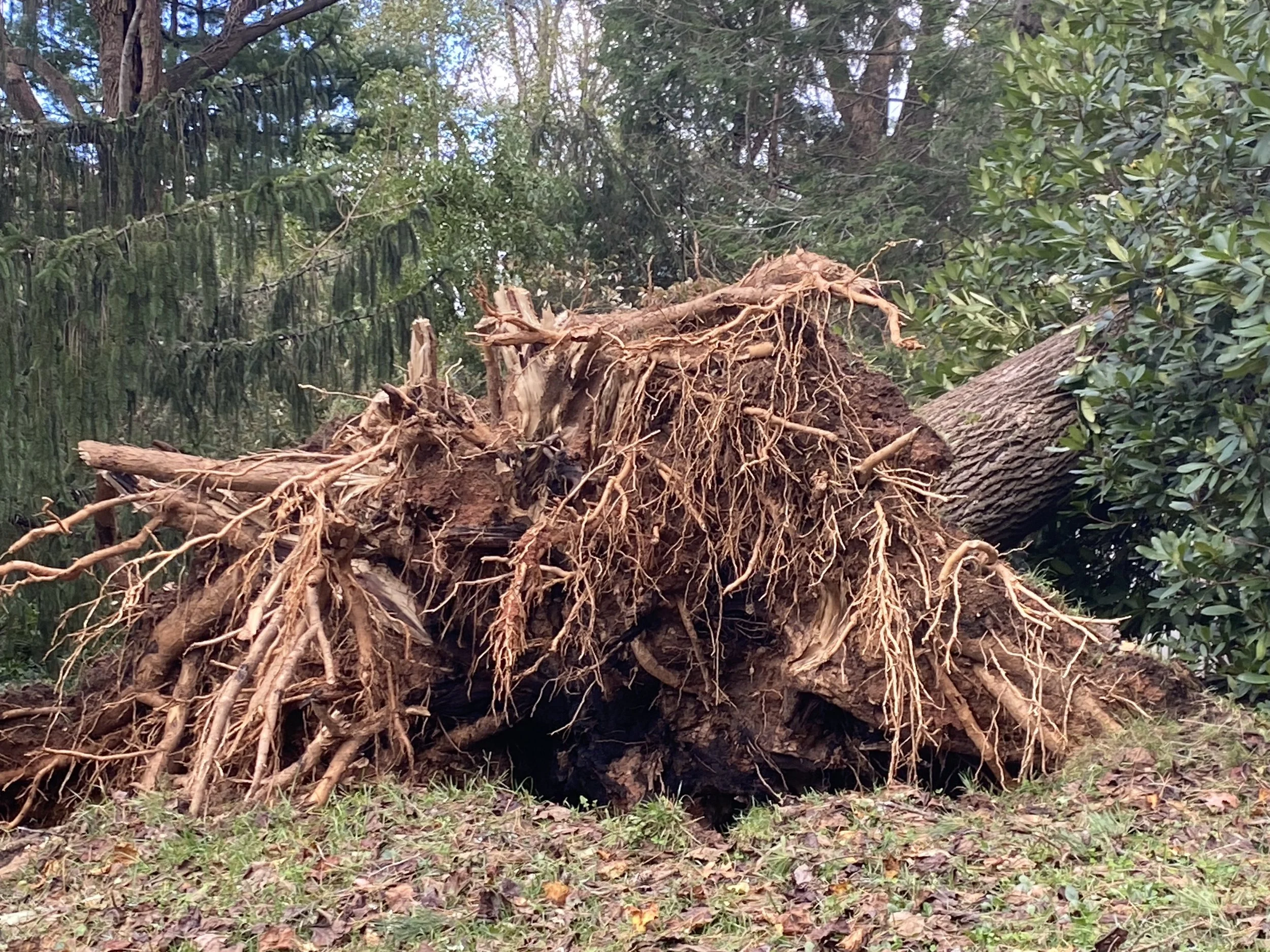
So, what happens to trees during storms? When the ground becomes waterlogged, roots can lose their grip, making trees more prone to leaning or falling. Strong winds target the canopy, especially with trees that have just leafed out — acting like a sail. At the same time, rapid spring growth can mean softer, more flexible trunk and branch structures that are more prone to collapse during strong wind events.
Even if everything looks fine at first glance, storm damage isn’t always obvious. A tree may have hidden structural issues that can show up days or even weeks later.
After a spring storm, it’s a good idea to take a careful walk around your property and look for post-storm red flags. Hanging or broken limbs caught in the canopy, fresh cracks or splits in the trunk or major branches, and leaning trees with lifted or disturbed soil at the base are all signs of potential damage. Any of these can be signs that a tree may be compromised and could pose a risk if left unaddressed.
Of course, safety should always come first. Storm-damaged trees can be unpredictable and dangerous. It’s important to resist the urge to tackle cleanup on your own, especially in high-risk situations. Here are some tips on handling potential storm damage:
If a tree is blocking a public road or has fallen onto power lines, call 911 immediately. These situations require emergency response and coordination with utility crews.
Stay far away from downed or sagging power lines. Even if they appear inactive, assume they are live.
Keep a safe distance from damaged trees. Dangling or sagging limbs can fall without warning, and partially uprooted trees can shift suddenly.
Avoid using ladders or chainsaws unless you are properly trained — these tools are leading causes of injury in post-storm cleanup.
Remember, not all damage requires removal, but it can take a trained eye to determine the best course of action. The Smart Feller Tree Works team can assess whether a tree is damaged and can be saved through strategic pruning and support or if removal is the safest option.
Early intervention can also prevent further damage. A cracked limb today could become a failure point in the next storm if left unattended. And while you can’t prevent storms, you can reduce the risk spring storms pose to your property:
Consider scheduling routine inspections to identify weak limbs or structural issues.
Have trees pruned strategically to reduce wind resistance.
Remove dead or declining trees before they become hazards.
Keep an eye on changes to trees near your home, driveway and utility lines that could indicate structural problems or decay.
Spring storms are part of life in our region, but dealing with their aftermath doesn’t have to be overwhelming. Bringing in professionals who have the training, tools and experience to handle storm damage safely and effectively not only provides peace-of-mind, but also ensures that your property’s trees are as healthy as they can be this spring.